Mastering Moody Food Photography: A Complete Guide
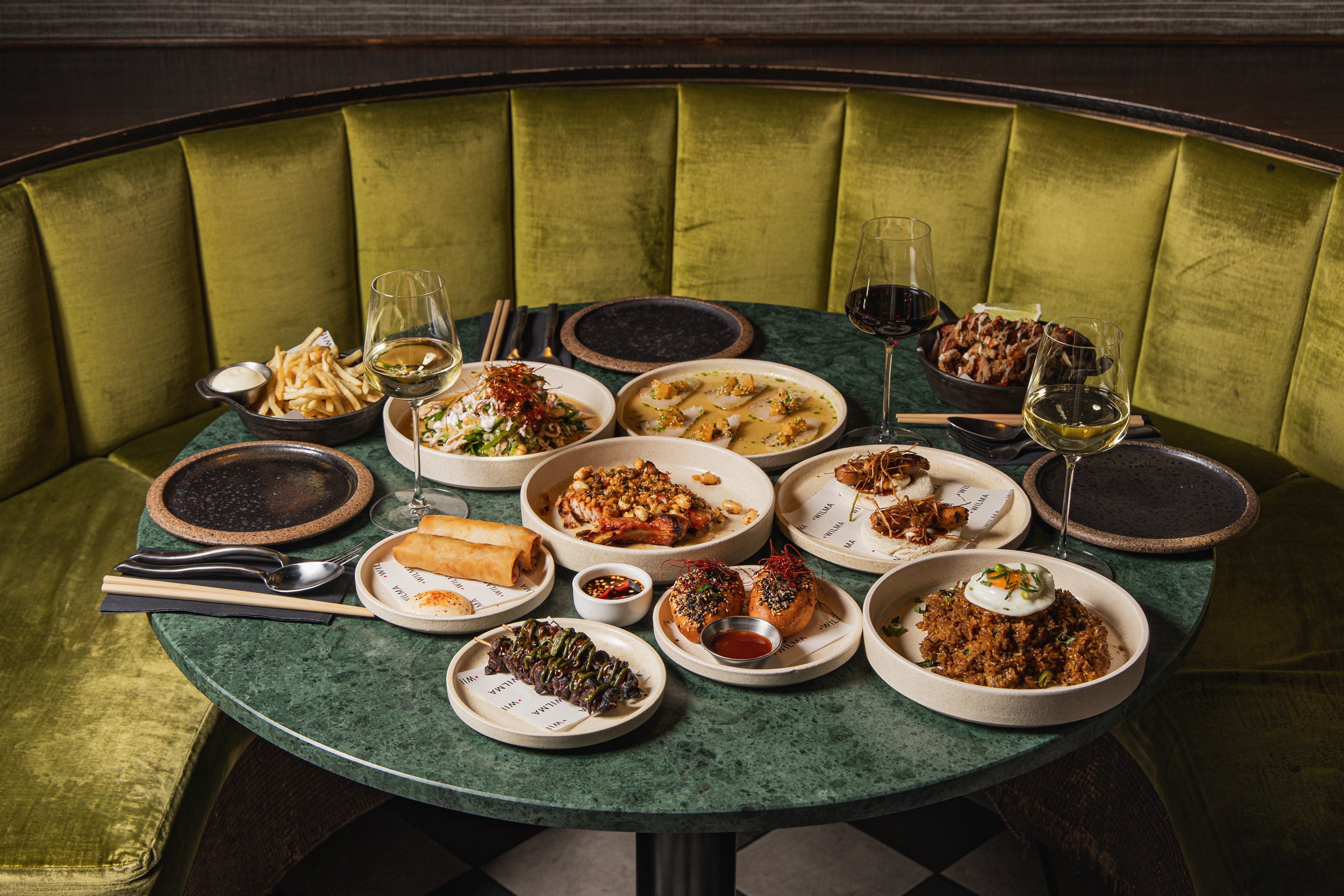
Moody food photography is more than just taking a dark picture — it’s about creating atmosphere, telling a story, and drawing the viewer into a moment. This style uses deep shadows, rich tones, and focused light to make food look dramatic, elegant, and irresistibly inviting.
What Is Moody Food Photography?
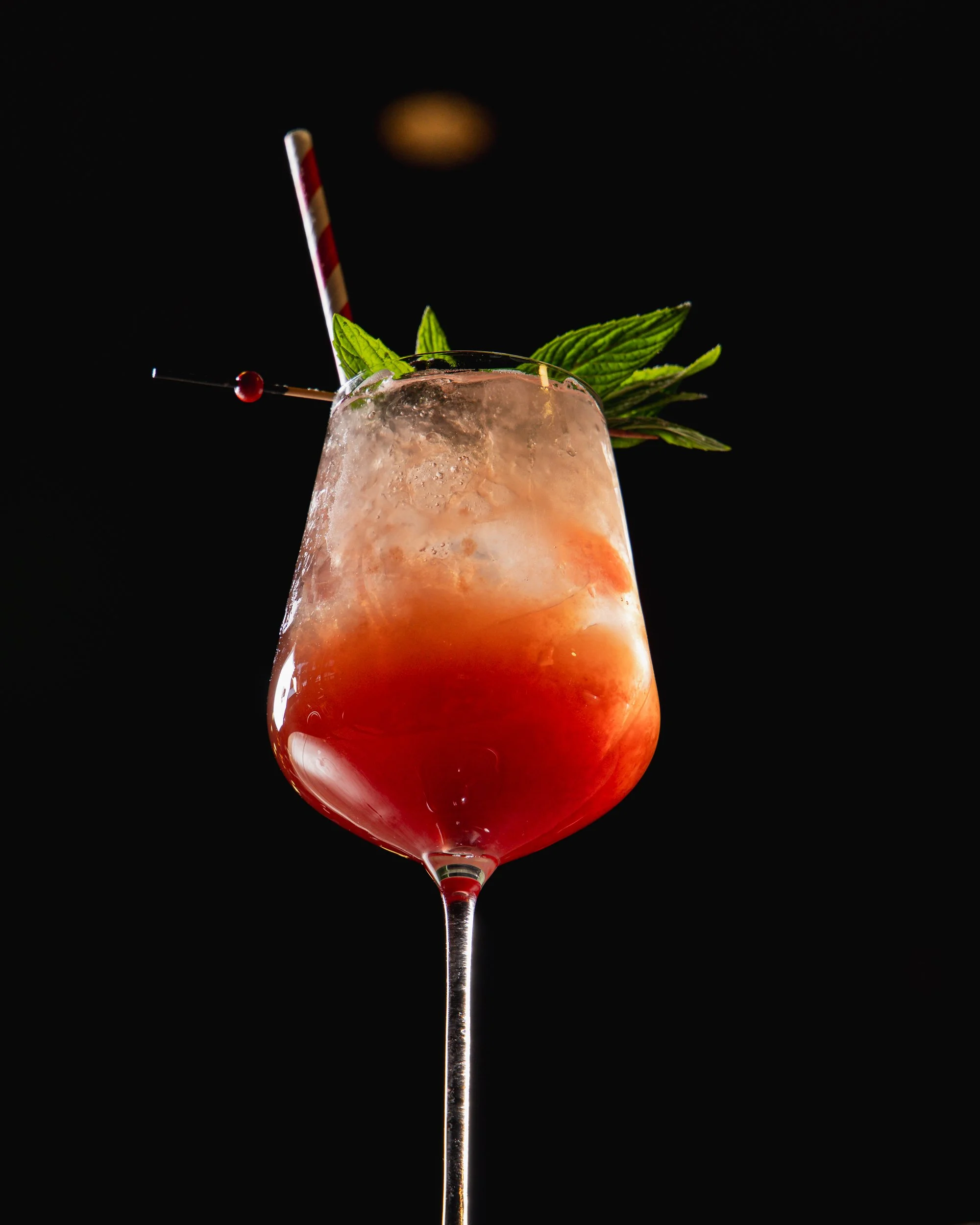
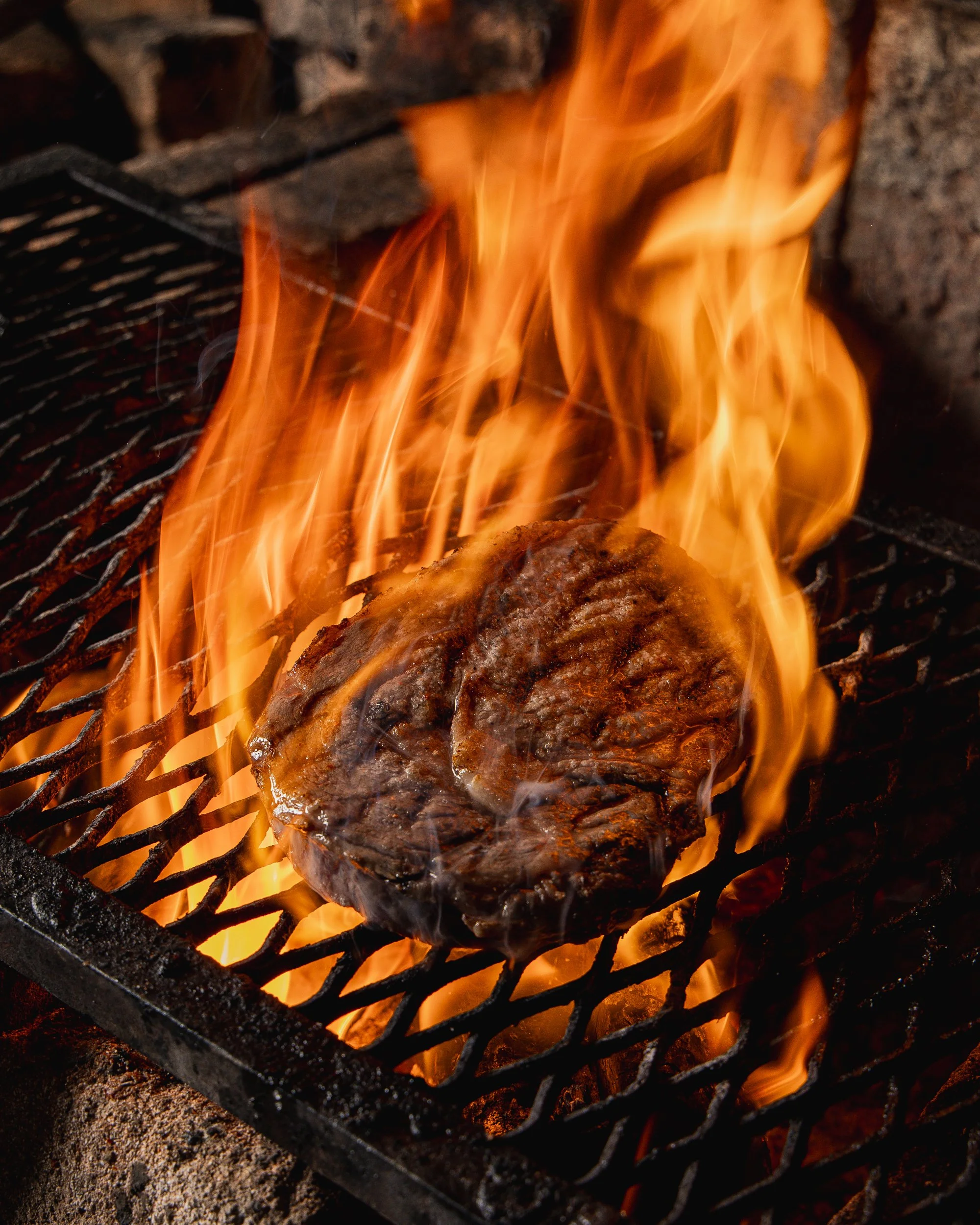
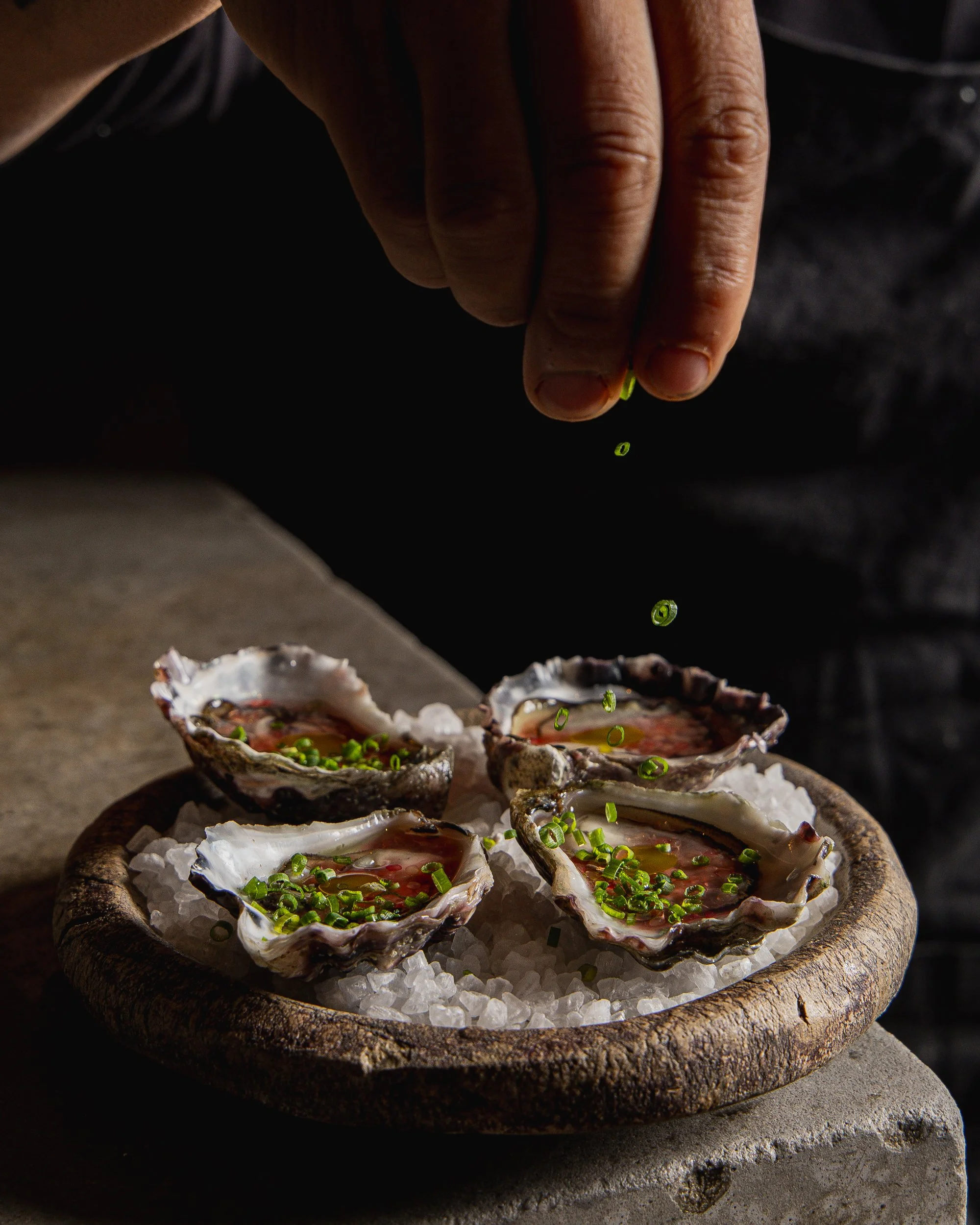
Moody food photography is characterised by low-key lighting, selective highlights, and a colour palette that leans toward deep, rich tones. Instead of bright, airy compositions, moody images use contrast and shadow to create intimacy and drama.


Why Choose This Style?
This style is perfect for:
Rustic dishes like slow-cooked stews, hearty bread, or earthy desserts.
Premium brands wanting a sophisticated, high-end feel.
Storytelling — adding depth to food imagery so it feels lived-in and atmospheric.
The Gear I Use
Here’s my current setup for these moody shoots:
Camera: Canon R6 Mark II
Lens: RF 24-105mm f/4 L IS USM
Flash: Godox AD600 Pro II
Trigger: Godox X3 Flash Trigger for Canon
Reflector: 3 in 1 Photography Reflector (aka my secret weapon 😉)
Lighting Techniques for Moody Food Photography
Lighting is the most important ingredient.
Use a Single Light Source
A window with natural side light or a single artificial light (strobe or LED) creates strong shadows and depth.
Control the Direction
Side or backlighting at 90° or 45° works best for texture-rich shadows.
Diffuse for Soft Shadows
Use sheer fabric or a softbox to soften shadows without losing definition.
Block Unwanted Light
Black foam boards or flags keep areas dark and prevent light spill.

Props & Backgrounds
Surfaces: Dark wood, slate, aged metal, matte black.
Props: Vintage cutlery, rustic ceramics, textured linens.
Colours: Stick to earthy, muted tones, browns, greys, deep blues, olive greens.
Camera Settings for the Perfect Shot
ISO: 100–400
Aperture: f/4.0–f/7.1
Shutter Speed: ~1/125s handheld
White Balance: Slightly warm tones for inviting images (5500K)



Editing & Post-Processing
Increase contrast to deepen shadows and brighten highlights.
Adjust blacks and shadows for depth without losing detail.
Apply subtle colour grading (warm highlights, cool shadows).
Common Mistakes to Avoid
❌ Over-editing shadows until texture disappears.
❌ Using flat lighting that removes drama.
❌ Bright props distracting from the food.
Final Tips
Moody food photography is about control, where the light falls, what stays hidden, and how textures tell the story. Small adjustments in light angle or prop placement can transform the mood.
Want My Full Setup Checklist?
Download my free 1-page moody food photography lighting guide:
👉 [DOWNLOAD HERE]